
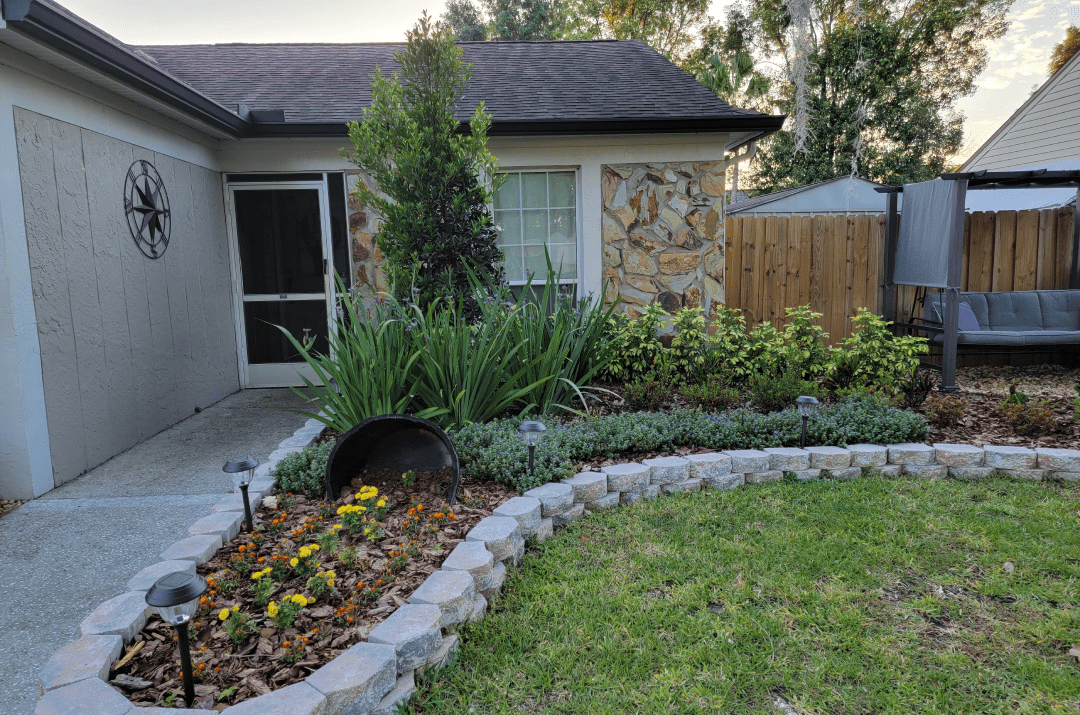
Choosing the right hardscape materials can completely transform your outdoor space. Castle wall block, river rock, and concrete pavers offer beauty and durability for Zone 9b weather. This guide compares the best types of hardscape materials to help you plan your landscape.
Planning Your Central Florida Landscape
You want a beautiful outdoor living space. You also want an upgrade that lasts. Finding the best hardscape materials Florida offers takes research.
Hardscape refers to the non-living parts of your garden or yard. These features contrast with softscape elements like a shrub or greenery.
Choosing durable materials for your outdoor space is the first step. You must explore different types of hardscape materials to find the right fit.
The Challenge of Zone 9b Weather
Central Florida outdoor areas face extreme conditions. Intense UV exposure fades cheap composite materials quickly. Heavy summer rains wash away loose materials.
You need hardscape design options Central Florida weather will not destroy. Picking the wrong hardscaping material leads to sinking patios and flooded rock beds.
A successful hardscaping project requires careful planning. You need the best materials to protect your property value.
Comparing Types of Hardscaping Materials
Many homeowners consider natural wood for a deck or fence. Others look at composite decking or recycled materials.
Some even explore recycled rubber mulch or tumbled glass. While these options exist, they often require heavy garden maintenance.
For a truly low-maintenance landscape, concrete and stone perform best. Materials like concrete pavers and river rock offer lasting curb appeal.
Castle Wall Retaining Wall Block
Castle wall block is a heavy concrete material. It is built to hold back soil and create distinct elevations. This material locks together securely.
When comparing castle wall vs pavers, Central Florida homeowners choose blocks for vertical strength. It is perfect for a raised planter or a sturdy retaining wall installation.
Castle wall blocks offer a classic appeal similar to natural stone or brick. They handle heavy rain without shifting.
The texturized face also resists visible weathering. This ensures long-lasting durability for your landscape design.
River Rock Landscaping
River rock features smooth and rounded stones. It provides excellent ground cover that never needs replacing.
When comparing river rock vs pavers, Florida rain is a major factor. River rock allows heavy rain to drain quickly.
Proper drainage is vital near a pond or fountain. You might consider gravel, pea gravel, or pebble options. Standard gravel can wash away easily.
However, larger Mexican river rock stays in place better. It is an environmentally safe and eco-friendly choice. It also resists mold.
This makes rock installation perfect for decorative borders. River rock will not fade in the bright sun.
Concrete Pavers for Patios and Walkways
Pavers are individual concrete units. They fit together to form flat and stable surfaces. They come in many shapes to improve your aesthetics.
Interlocking pavers are the top choice for a patio, walkway, or driveway. A well-built patio adds value.
Some homeowners consider brick for a pathway. However, brick can shift over time. Concrete pavers often outperform traditional brick.
They flex slightly with the sandy Florida soil. This flexibility prevents the cracking you often see in a solid concrete slab.
Pavers offer more design possibilities than poured concrete. You can choose specific texture and color options. They provide the look of flagstone or limestone with better practicality. Their aesthetic appeal is unmatched.
Expert Insights on Functional Outdoor Spaces
Successful hardscaping in Zone 9b requires proper base preparation. We see many homeowners try to install hardscaping features themselves.
DIY projects often sink or wash out after one summer storm. Proper leveling is critical in sandy soil.
High Standard Landscape and Irrigation knows how to build a solid foundation. We ensure your outdoor environment drains properly.
A professional installation is highly cost-effective over time. It guarantees minimal upkeep and a harmonious look. A stone patio often lasts longer than a wood deck. You can read more about our local reputation on our Google Business Profile.
Finding the Right Fit for Your Home
Every yard has different needs. Castle wall blocks build structure. River rock handles water flow. Pavers create a usable pathway or seating area.
You might add pergolas for shade or wood fibers for plant beds. Common materials include organic mulch and natural stone.
The best landscape combines these elements. A well-planned design creates a beautiful focal point that is both durable and stylish.
Quick Answers
What is the best hardscape material for water control?
River rock is the best choice for water control. It allows water to flow freely into the ground below.
Do concrete pavers get too hot in Florida?
Pavers do absorb heat from the sun. Lighter colors stay cooler than dark colors in direct sunlight.
Are composite options good for Florida?
Composite materials can warp in extreme heat. Concrete and stone offer better longevity for an outdoor space.
Should I install a patio myself?
We recommend hiring a professional. Proper leveling and base compaction are very difficult without heavy equipment.
Is river rock eco-conscious?
Yes, natural rock is very eco-conscious. It requires no chemicals and allows rainwater to return to the soil.
Ready to Upgrade Your Landscape?
Get expert advice for your specific property. Contact us today for a free on-site landscape design estimate. We will help you choose the perfect materials.
Key Takeaways
- Florida weather requires durable hardscape materials.
- Castle wall blocks are ideal for structural retaining walls.
- River rock provides excellent drainage for heavy summer rains.
- Concrete pavers create flexible and crack-resistant patios.
- Sunlight fades cheap composite decking quickly.
- Sandy soil requires professional base preparation.
- Combining materials often yields the best landscape design.




0 Comments