
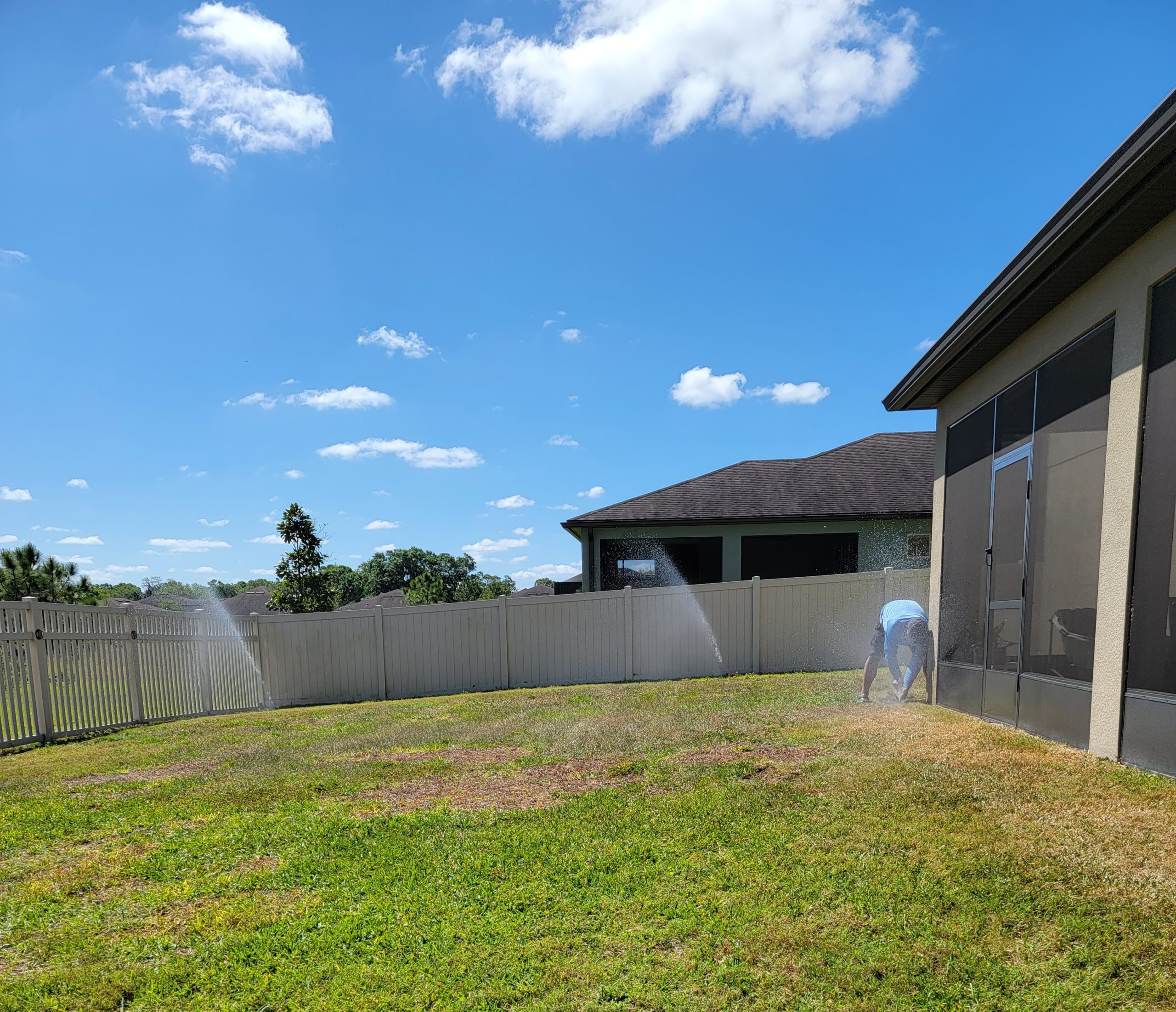
Patching bare spots and fighting weeds gets expensive when your lawn is too far gone. If weeds cover more than half your yard or dead patches keep returning, sod installation is often the smarter fix. We help Plant City homeowners choose the right grass and start fresh with a healthy, green lawn.
Stop Wasting Money on a Failing Florida Lawn
You want a lush yard that looks great in the sunshine and survives the heat. But right now, you are fighting a losing battle. You patch bare spots and spray every weed constantly.
Yet, your lawn still looks terrible. This is a frustrating cycle for many homeowners. Sometimes, repairing an old lawn costs more than installing sod.
When Lawn Repair is No Longer Enough
A healthy lawn recovers from minor stress. A failing new lawn does not. You might notice dead zones that never grow back after a drought.
Fungal issues might return every rainy season. When your grass cannot fight off pests, the underlying system is broken. You need to know when to stop patching and when to consider a lawn replacement.
5 Signs You Need Sod Installation in Central Florida
Here are the clear signs that your property has reached the point of no return.
1. Weeds Cover More Than Half Your Area
Weeds are aggressive. They steal water and every nutrient from your grass. If weeds take over a large area, your turf cannot win.
Pulling them will just leave massive dirt patches. A full sod replacement is the only way to reset the landscape.
2. Bare Patches Keep Coming Back
You buy seed and topsoil every spring. The grass sprouts, but it dies a few weeks later. Persistent bare spots mean you have a deeper issue.
This often points to poor soil beneath the surface, severe pest damage, or heavy foot traffic. New sod gives you a strong root system right away.
3. Fungal Damage and Large Dead Zones
Florida gets heavy summer rain. This moisture breeds lawn fungus. If large brown patches do not recover after treatment, the grass is dead.
The rainy season transition is a great time to evaluate your yard. You can easily see which areas survived the summer and which failed.
4. Standing Water and Soil Compaction
Does water pool in your garden or yard after a storm? This indicates soil compaction or poor drainage. Compacted soil suffocates grass roots.
Your turf will eventually drown or rot. Proper preparation fixes the grade and slope before new grass goes down.
5. You Have the Wrong Grass for Your Location
Grass needs the right environment to thrive. St. Augustine and Zoysia handle our heat well but need adequate water. Bahia and Bermuda tolerate drought better.
If your current grass does not match your yard’s full sun or shade levels, it will constantly struggle.
The High Standard Approach to Laying Sod
We see homeowners waste hundreds of dollars on quick fixes. Laying sod over bad soil or active weeds will just kill the new grass. At High Standard Landscape and Irrigation, we do things right the first time. Our owner is on every jobsite to ensure quality.
We follow a step-by-step process for sod in Florida. First, we remove the old grass and debris. Then, we rake the area to create a smooth layer.
We add organic compost or a soil amendment to improve water retention. We ensure the sod makes firm contact with the soil so it takes root properly. We lay the pieces in a staggered pattern without a single gap. We provide a transparent bid before any work begins.
Making the Right Choice for Your Plant City Property
Your lawn should add value to your home, not stress to your weekend. Continuing to treat a dead lawn is a waste of time.
New sod instantly transforms your property. It stops soil erosion, blocks weeds, and gives you a fresh start. Whether you live right here in Plant City or over in Lakeland, a thick, green lawn is possible.
Quick Answers About Sod Installation
Q: How do you prepare the soil for new sod?
A: Florida soils need help. We test the pH and add fertilizer. We till the top inch of soil so roots can establish quickly.
Q: When is the best time to install sod?
A: You can install sod year-round. However, spring and early fall are ideal times. We schedule delivery directly from the farm, so the grass stays fresh.
Q: How much should I water my new lawn?
A: Keep the soil moist for the first two weeks. Water twice a day until the grass roots grow deeply. Then, you can reduce the watering frequency.
Q: When can I mow my new grass?
A: Wait until the roots establish firmly in the soil. This usually takes three weeks. Always use a sharp mower blade so you do not tear the grass. Good maintenance keeps your lawn healthy.
Ready for a Fresh Start?
Stop fighting a losing battle with your yard. Contact our professional lawn service team today. We offer a free on-site lawn assessment and a detailed sod installation estimate. Let us help you build a beautiful, lasting lawn.
Key Takeaways
- Stop spending money on repairs if weeds cover more than half your yard.
- Persistent bare spots indicate deeper soil or pest problems.
- Large dead zones from fungus rarely recover on their own.
- Standing water means you have soil compaction or drainage issues.
- Choosing the right grass variety is critical for your location.
- Always remove old grass and debris before installing sod.
- Get a professional assessment to find the root cause of your lawn failure.




0 Comments